

logo
Good price online

products details

Created with Pixso. Home Created with Pixso. Products Created with Pixso.
SMT Spare Parts
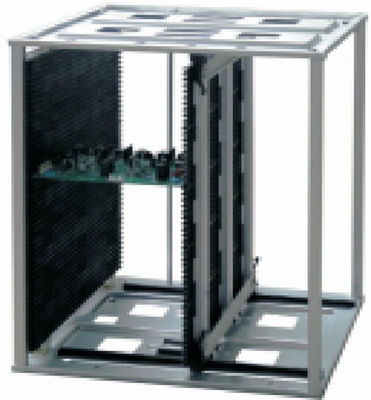
Created with Pixso. CJ-8301 Anti static material rack CJ-8301D Anti static system engineering

CJ-8301 Anti static material rack CJ-8301D Anti static system engineering

Brand Name: Anti static system engineering
Model Number: Anti static material rack
MOQ: 1pcs
Delivery Time: within 1~5days
Payment Terms: T/T, Western Union, MoneyGram, MoneyGram, MoneyGram, MoneyGram, MoneyGram
Detail Information
Place of Origin:
China
Part Name:
Anti Static Material Rack
Part Number:
CJ-8301D
Brand:
Anti Static System Engineering
Origin:
China
Packaging Details:
Paper pack
Supply Ability:
100000pcs
Product Description

CJ-8301 Anti static material rack CJ-8301D Anti static system engineering 


Size: 535 * 460 * 570mm

Adjustable width: 50-380mm

Temperature resistance: 80 ℃/120 ℃/150 ℃

Number of slots: 50PCS

Adjustment: screw wrench


Size 535 * 460 * 570mm
Adjustable width 50-380mm
Temperature resistance 80 ℃/120 ℃/150 ℃
Number of slots 50PCS
Adjustment

screw wrench


Esd Box Material
Large Esd Box
Esd Safe Tray
An ESD (Electrostatic Discharge) plastic tray, also known as an ESD tray or ESD container, is a specially designed tray that helps protect electronic components and devices from damage caused by electrostatic discharge. Electrostatic discharge can occur when there is a sudden flow of electric current between two objects with different electrical potentials, and it can potentially damage or destroy sensitive electronic components.

ESD trays are made from materials that have low electrical conductivity to prevent the buildup and discharge of static
electricity. These trays are typically constructed using conductive or static-dissipative plastics, such as polypropylene or
polystyrene, which have been infused with additives to provide the desired ESD properties.

The purpose of an ESD plastic tray is to provide a safe and controlled environment for storing, transporting, and handling
sensitive electronic components. These trays are designed to dissipate any static charges that may accumulate on the surface, preventing them from damaging the components placed within.

ESD plastic trays often have compartments or slots to hold individual components securely, preventing them from moving or coming into contact with each other, which could lead to damage through friction or impact. The trays may also feature lids or covers to provide additional protection from environmental factors like dust or moisture.

These trays are commonly used in electronic manufacturing and assembly processes, where electrostatic discharge poses a significant risk to sensitive components. They help to ensure the integrity and reliability of electronic devices by minimizing the potential for ESD-related failures.

When selecting an ESD plastic tray, it's important to consider the specific requirements of your application, such as the size and shape of the components, the necessary capacity, and the level of ESD protection needed. There are various sizes, designs, and configurations available to suit different needs. It's also worth noting that ESD trays are often part of a broader ESD control program that includes other measures such as grounding, ESD flooring, and proper handling procedures.
.